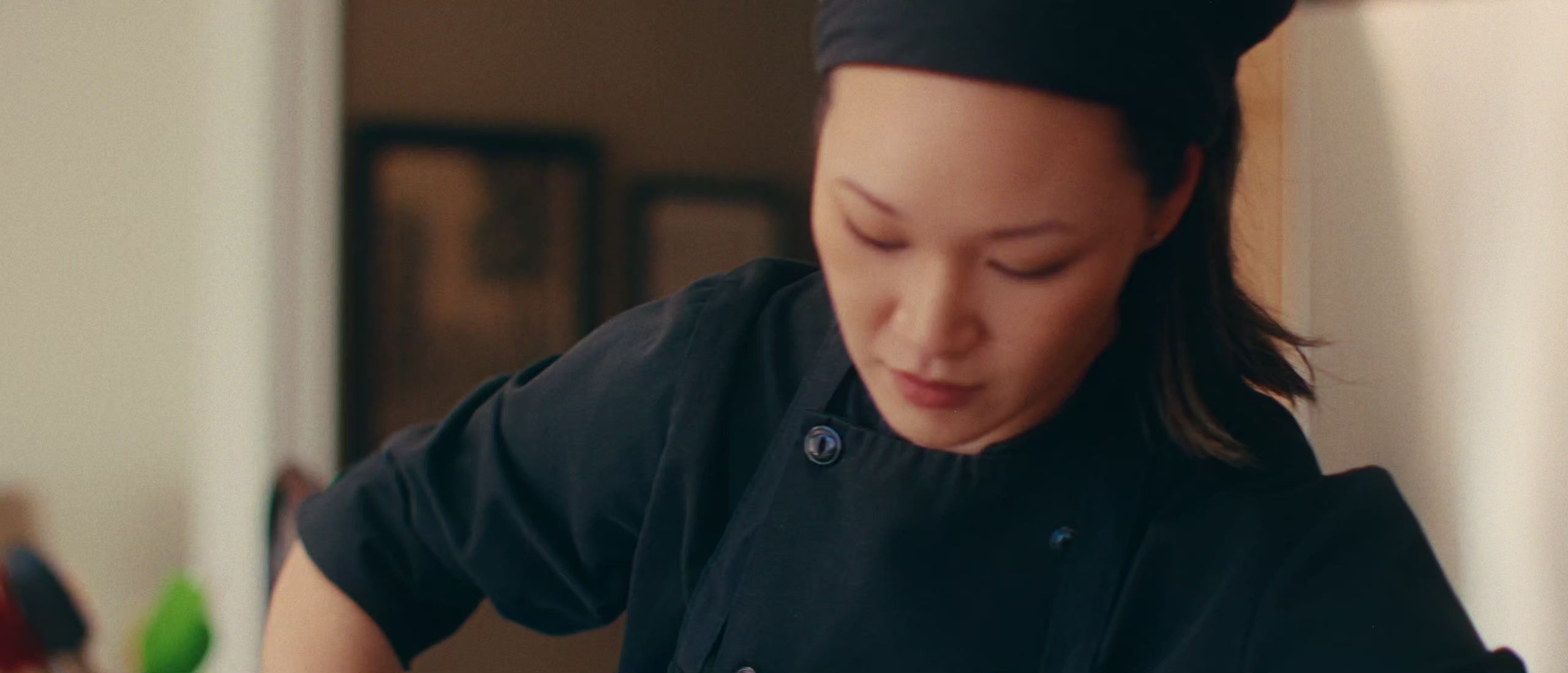
From napkin sketch to national presence
A multi-year engagement that built the early digital foundation for a multi-city private chef model, and later returned to deliver the commercial now anchoring the brand's website.
60/30/15 Commercial cuts. 4 Phases. 2019-2024 Engagement
Overview.
Food Fire + Knives started in Charleston, South Carolina with an ambitious idea: book a chef, get a menu, have the experience delivered in your home. Private chefs and cooking classes were the starting offer. The harder problem was scaling the model beyond a single market.
The original site lived on a templated builder and couldn't carry the weight of what the business was trying to become. The need wasn't a redesign. It was a foundation: a platform that could handle bookings, payments, menus, multi-city operations, and a distributed network of chefs delivering the experience in real homes.
Hamilton Rising came in early, built the platform foundation, iterated on it as the model expanded, then exited the web work as the company scaled past what the foundational platform could handle. They came back later for a different reason, a flagship commercial campaign, and that work is now the hero video on their website. A long arc, two distinct chapters, one through-line: content and platform working as a system, not as separate purchases.
The challenge.
FFK wanted to grow from a small-market concept into a scalable business. That meant expanding to new cities, increasing digital acquisition, reducing friction in the booking and menu experience, and supporting an internal team coordinating chefs across geographies. In a business like this, the website isn't marketing collateral. It's the engine. The deeper goal was trust. Customers were inviting a stranger into their home to cook for them. The digital experience had to earn that trust before the chef ever showed up.
- -The model required a multi-tier ecosystem, customers, internal admin and operations, and a distributed chef network, each needing a usable system.
- -Multi-city growth meant the platform had to scale beyond a single geography from day one.
- -Menus, pricing, and chef availability changed constantly, and the platform had to handle that without breaking the customer journey.
- -The credibility bar was high. The customer is letting someone into their home. Clarity, polish, and trust signals weren't optional.
A beautiful video without a working booking system creates interest and loses the conversion. A functional booking site without story and credibility limits how far the model can travel. The promise (content), the path (platform), and the delivery (the chef in the kitchen) had to line up. When any one of them slips, the whole experience suffers, and the customer takes that experience back to digital, in either direction.
The system.
The arc.
Platform foundation and migration
Phase 1
Platform foundation and migration
The starting point was a templated site that couldn't grow with the business. We assembled a team, migrated them off the templated builder, and built the supporting architecture on a more flexible content platform: customer-facing UX, an internal operations layer, a payments flow, a menu system structured to expand by city, and a chef-facing layer to support a distributed delivery model. We also produced a first round of b-roll-driven videos with voiceover and music to introduce the concept publicly.
Phase 2
Iteration as the model expanded
This is the phase most digital projects skip. Teams launch, then stop. FFK was actively expanding into new cities, and the platform needed continuous refinement to keep up. We ran periods of UX exploration and shipped feature enhancements: improvements to the booking flow, payment handling, menu sorting, and the supporting structure that made multi-city operations work day-to-day. The website kept pace with the business instead of falling behind it.
Phase 3
Hand-off and the next platform
As FFK's national footprint grew, it eventually exceeded what the foundational platform could carry. The company moved to a different platform architecture, a step Hamilton Rising wasn't involved in. The earlier foundation laid the ground for that move; we exited the web work and the business graduated to its next stage.
Phase 4
Flagship commercial campaign
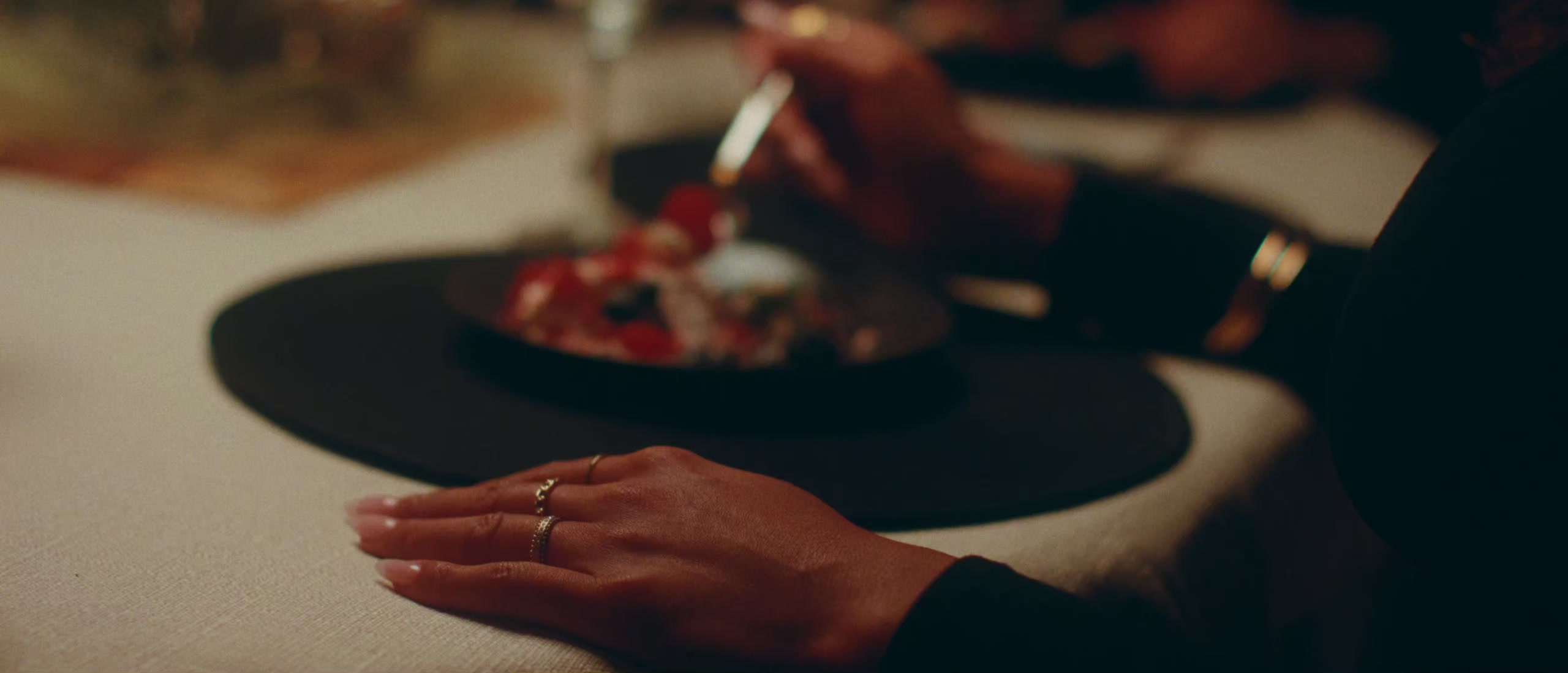
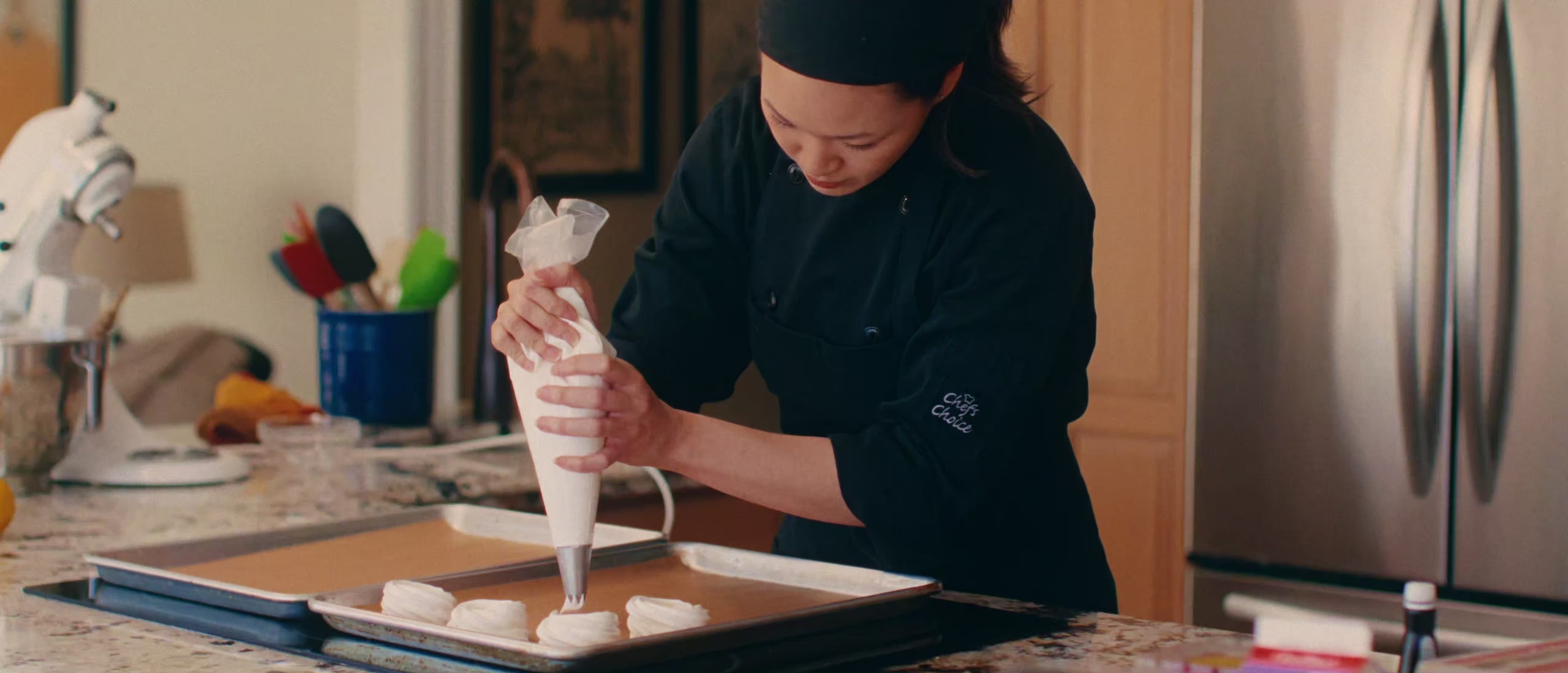
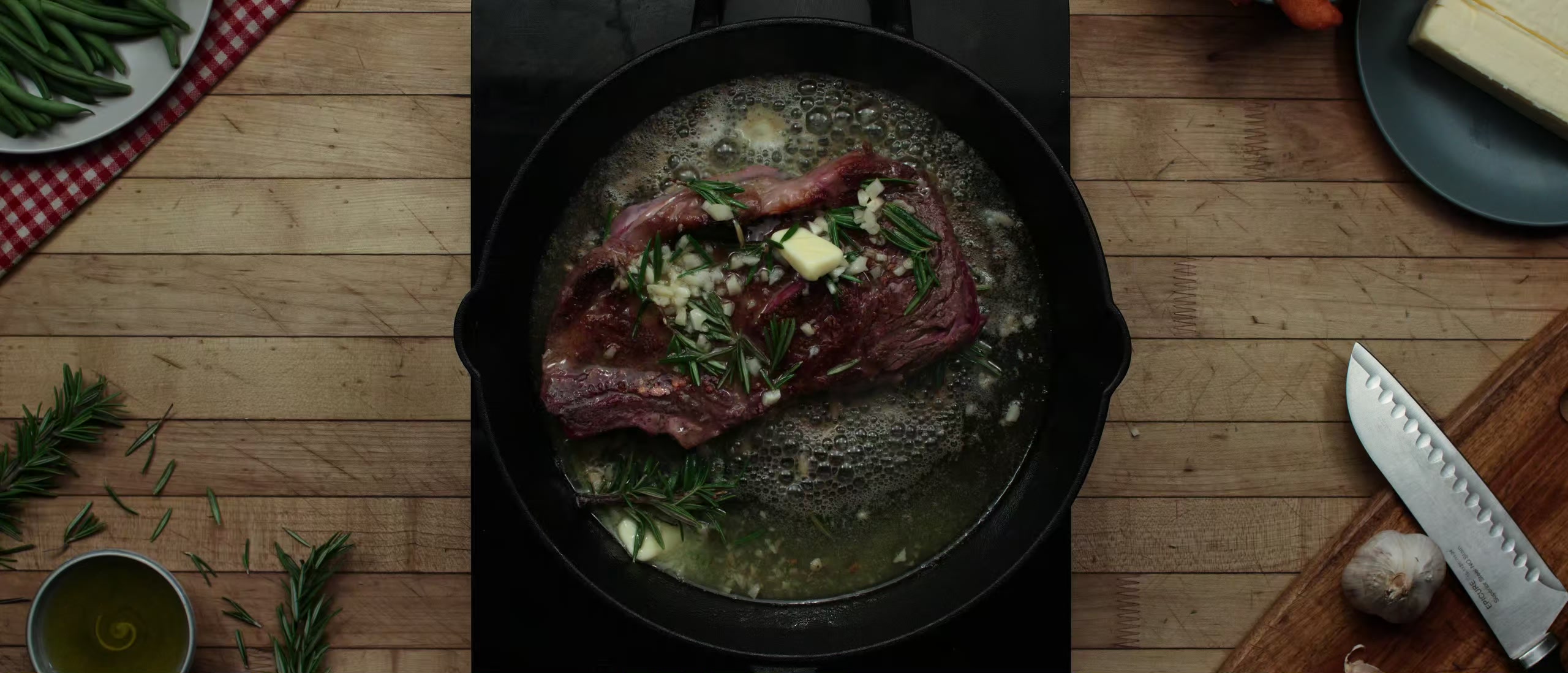
FFK came back for the asset they couldn't produce internally: a commercial built around the customer experience. We produced 60-, 30-, and 15-second cuts designed for TV and social distribution. The campaign was originally a moment-in-time piece tied to the November-January season. It performed well enough that it didn't stay seasonal. The commercial is now the header video on foodfireknives.com, working as an evergreen conversion and trust asset at the top of the customer journey.
Selected outputs.
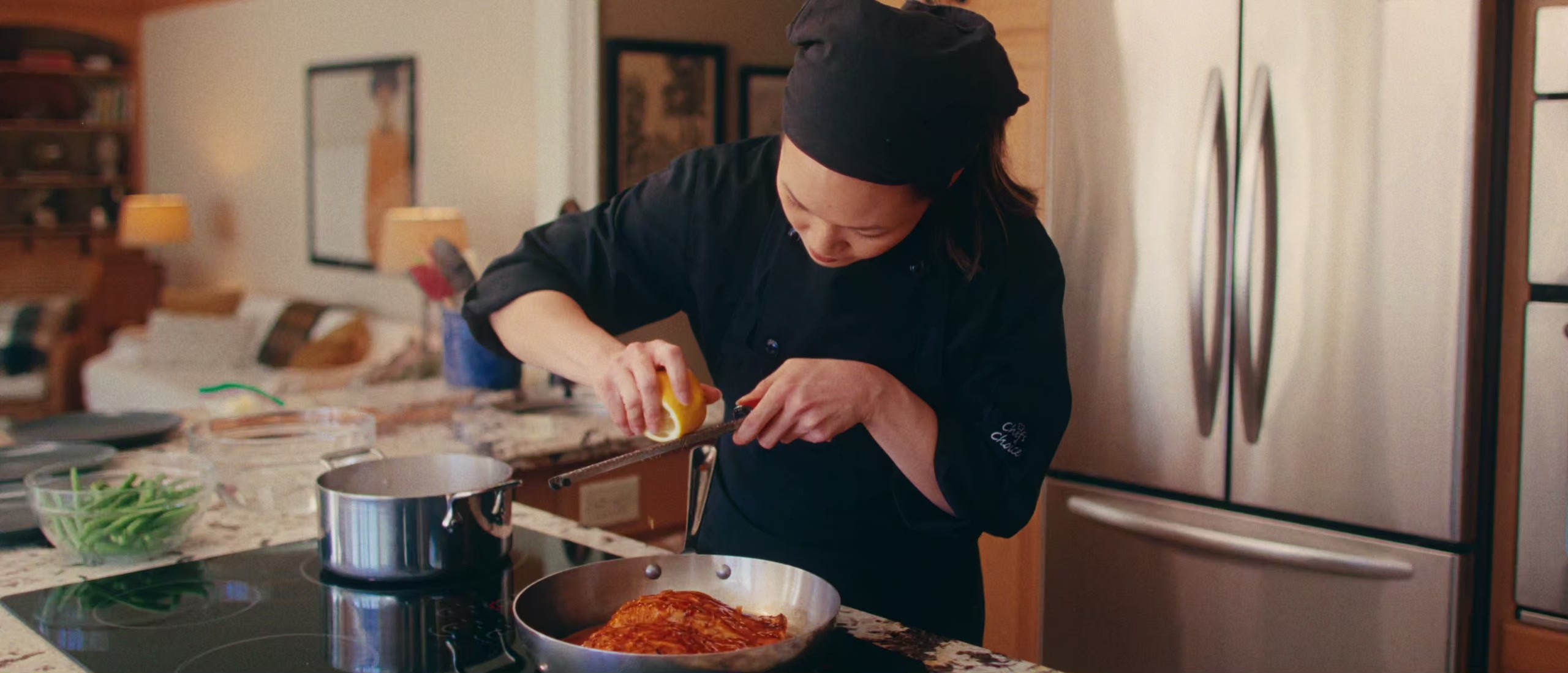



- -Platform migration off the templated builder, with a multi-tier ecosystem build.
- -Booking, payments, and menu systems supporting multi-city expansion.
- -First-iteration concept videos, b-roll, voiceover, music.
- -Flagship commercial campaign in 60-, 30-, and 15-second cuts.
- -TV and social ad runs during the original campaign window.
- -Header video currently anchoring foodfireknives.com.
Outcomes.
- -A platform foundation that absorbed multi-city growth and supported the operational demands of a distributed chef network during the company's formative years.
- -A creative suite delivered in multiple durations, ready for distribution across TV, social, and on-site placement.
- -The brand expanded from Charleston to a national footprint across the United States.
- -The commercial originally produced for a seasonal campaign became the evergreen hero of the company's website.
- -The web ecosystem we built carried the business far enough to outgrow it, the kind of outcome a foundation is supposed to produce.
The commercial currently runs as the hero video on foodfireknives.com. The business continues to operate as a digital-first acquisition model with a physical, in-home delivery outcome.
Different roles, same thesis: content and platform are designed together, and assets built well don't expire.
More work.
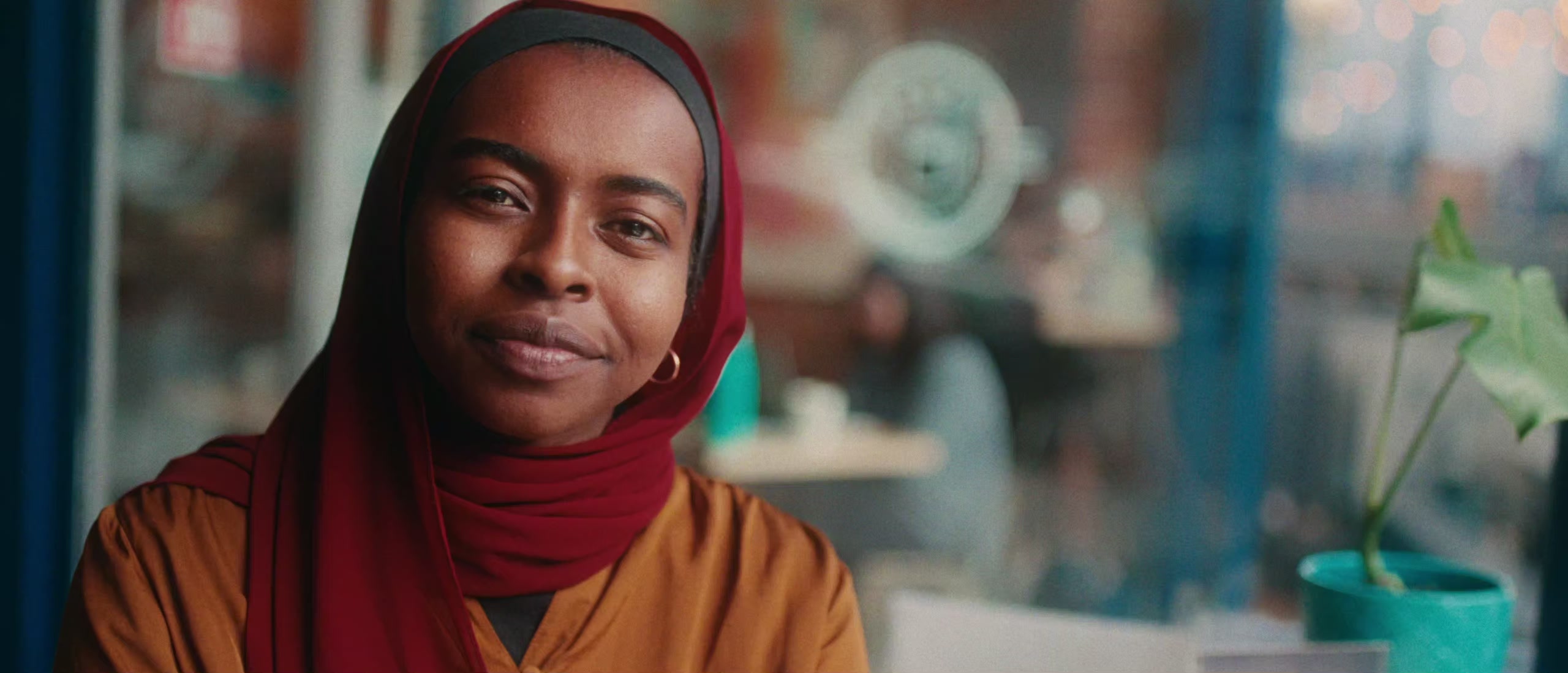
Stories of Migration & Belonging
Four-year content system: documentary series, digital exhibition, web architecture, and an organization-wide digital strategy.
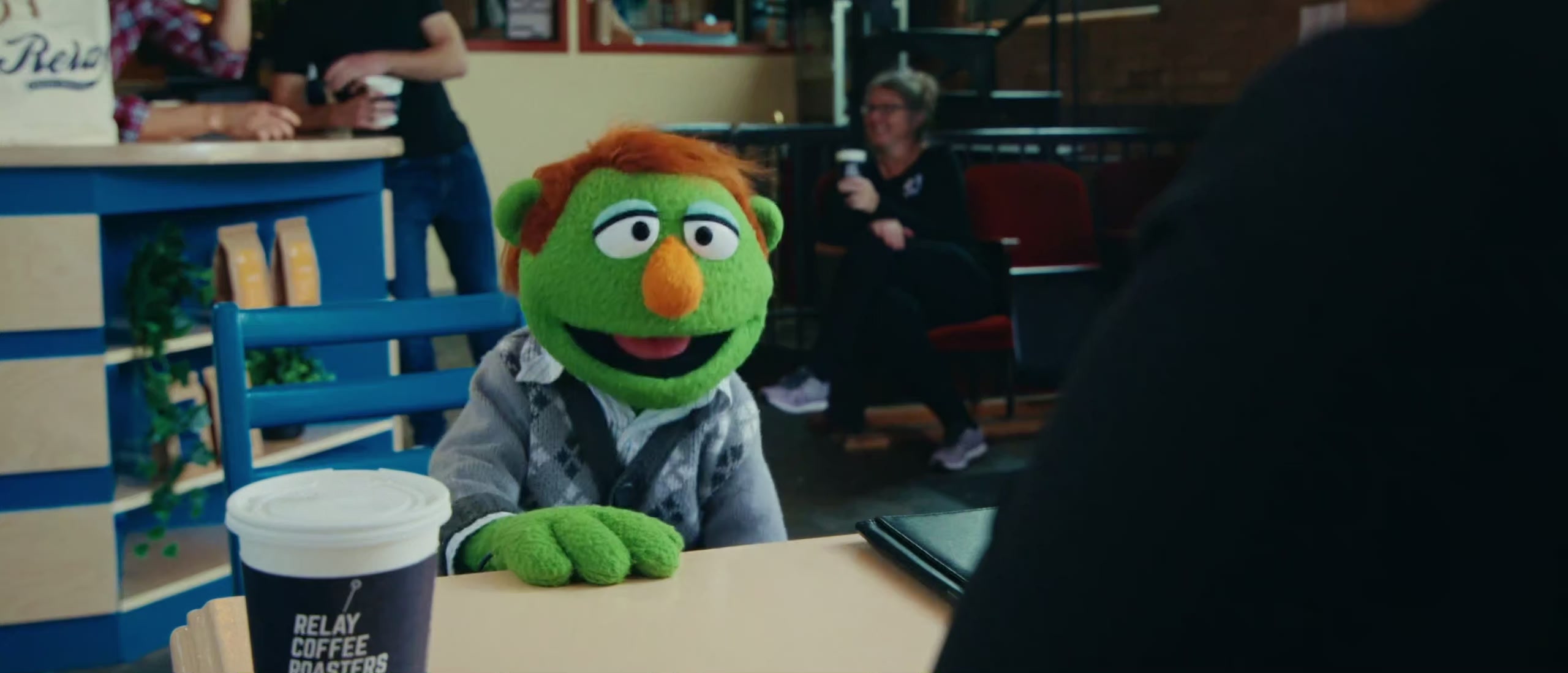
City-wide ecosystem for local businesses
A pandemic-era platform that became standing city infrastructure: 1,000+ listings, an events engine, and 500K+ monthly impressions.
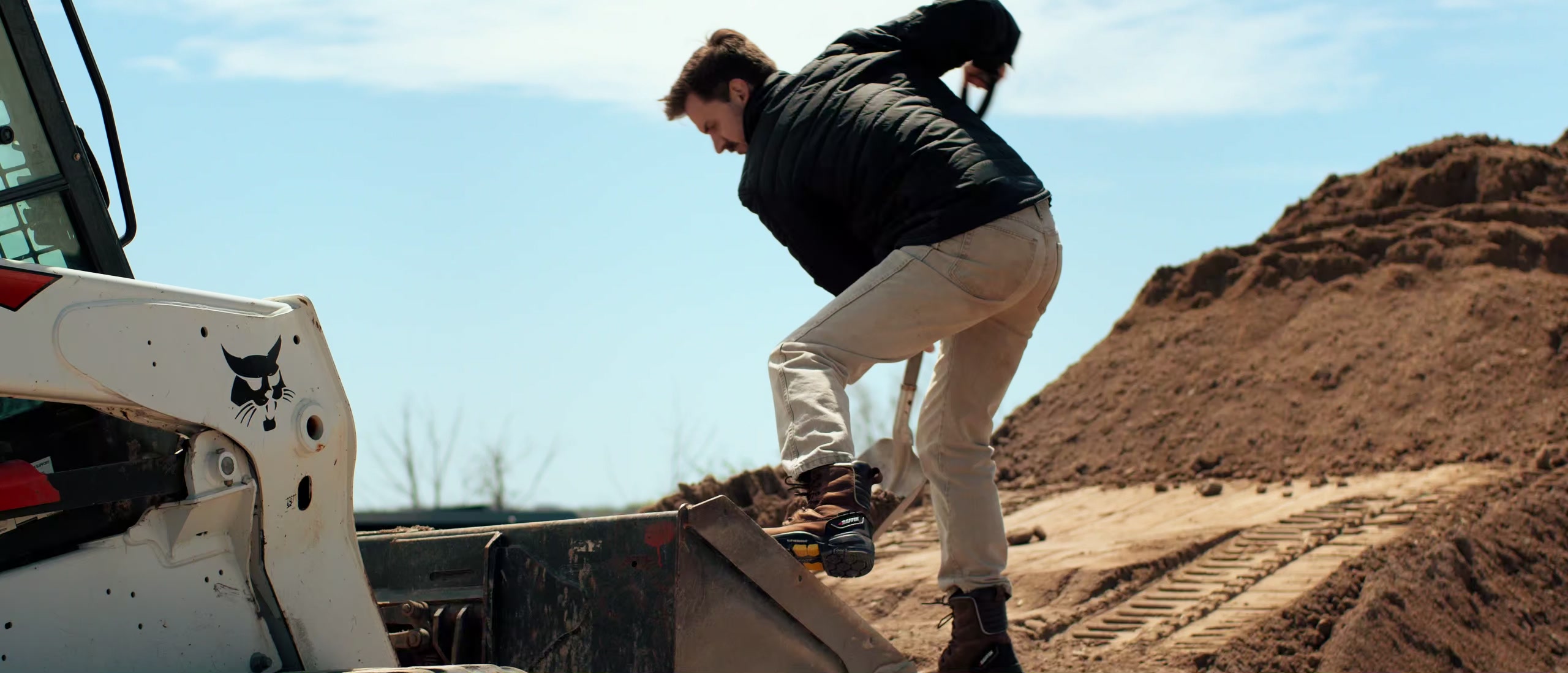
Production partner for a brand with standards
Two campaign phases of brand-standard photo and video for an industrial product line, plus three live productions for internal sales.
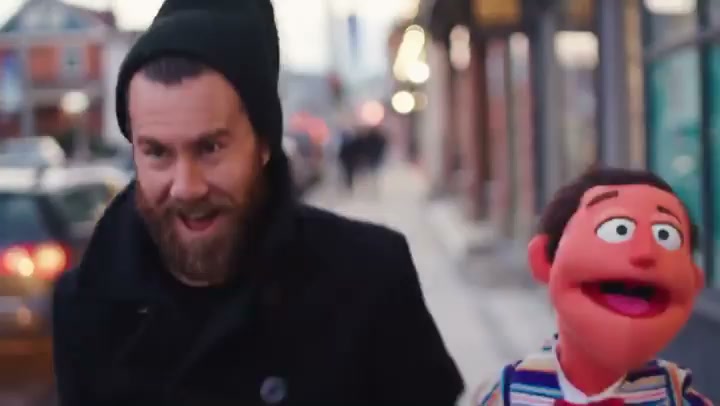
Spend It Here
A Bronze IEDC award-winning holiday shop-local campaign for the City of Hamilton: an original character, Peter Pizzazz, eats, shops, and finds entertainment across the city's 13 BIAs.