City-wide ecosystem for local businesses
A rapid-response platform built to connect Hamilton residents with local businesses, now a standing piece of digital infrastructure with 1,000+ listings and an evergreen audience.
Hometown Hub.
Chapter 1: What they asked for.
Overview
Hometown Hub started with a small request and a tight deadline. At the onset of COVID, the City of Hamilton's Economic Development department asked Hamilton Rising for a blog post listing which local businesses were still open and operating digitally. The ask was simple. The underlying problem wasn't.
Residents needed a trusted way to find what was still available. Businesses needed a fast bridge into digital visibility, many for the first time. And the city needed something that wouldn't expire when the next news cycle arrived. A blog post is a moment in time. The problem was structural.
Instead of publishing a post on the Hamilton Rising site, we built a separate platform. Concept, name, tagline, architecture, and a launch in under thirty days. What followed across the next five years was a full system: a rebuilt platform, a structured listings engine, an events layer, partner content hosting, a video series, and the SEO authority that made all of it findable.
The challenge
What needed to be achieved
The immediate goal was visibility, get residents to businesses that could still serve them. The deeper goal was infrastructure. The pandemic was changing weekly. Businesses were shutting down, reopening, pivoting to delivery, launching e-commerce overnight. Whatever got built had to absorb that pace and still be useful in five years.
Why it was complex
- Information was changing faster than any manual update process could handle, and accuracy was the whole point.
- Businesses arrived at every level of digital readiness, from full e-commerce to nothing at all, and the platform had to bridge all of them.
- The work had to scale from a few hundred listings to far more without collapsing under the weight of its own success.
- It had to remain relevant after the crisis ended, which meant building for the long arc rather than the news cycle.
Why a standalone wouldn't have worked
A directory is a moment. A platform is a system. The need wasn't a list of names, it was a living repository with structured profiles, category-based discovery, and the search behavior to make any of it work. Anything less would have aged out the moment restrictions lifted.
Chapter 2: The work.
The system
Content
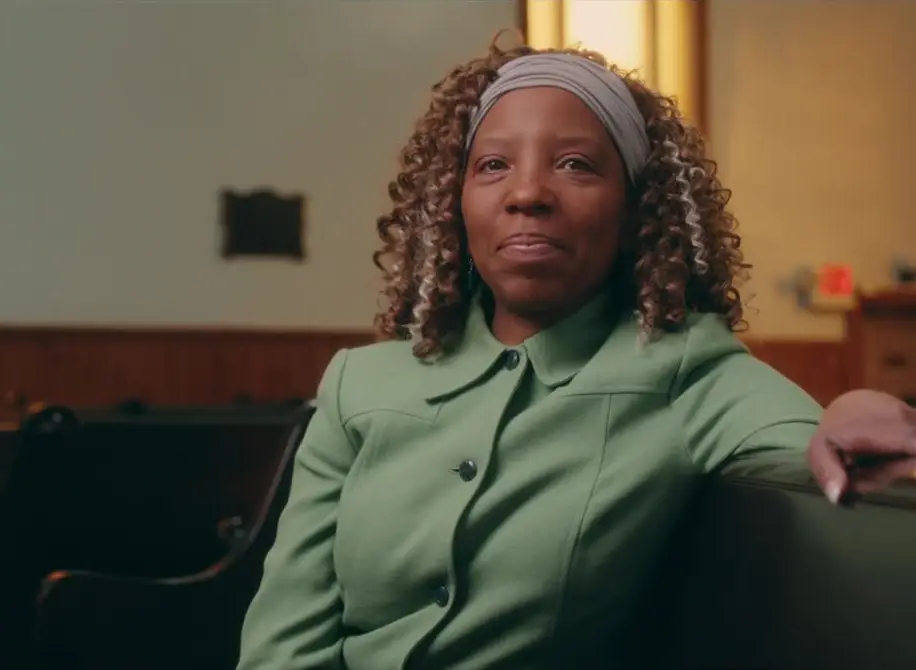
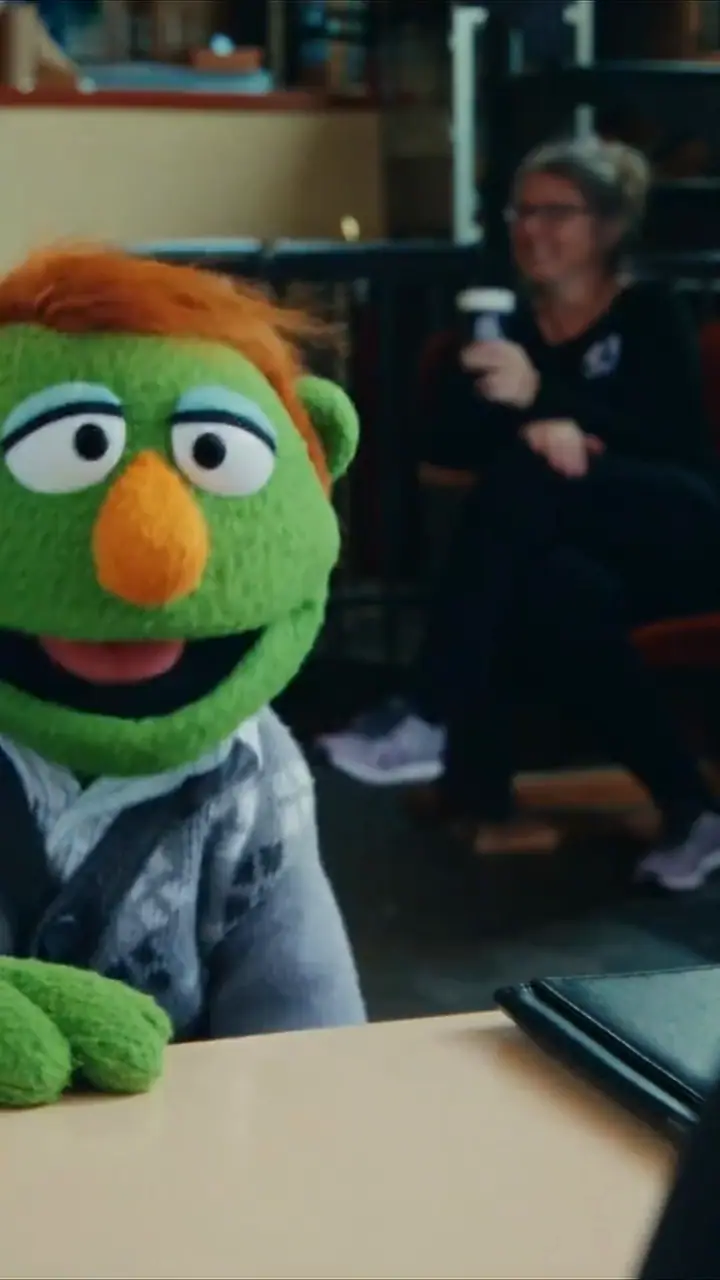
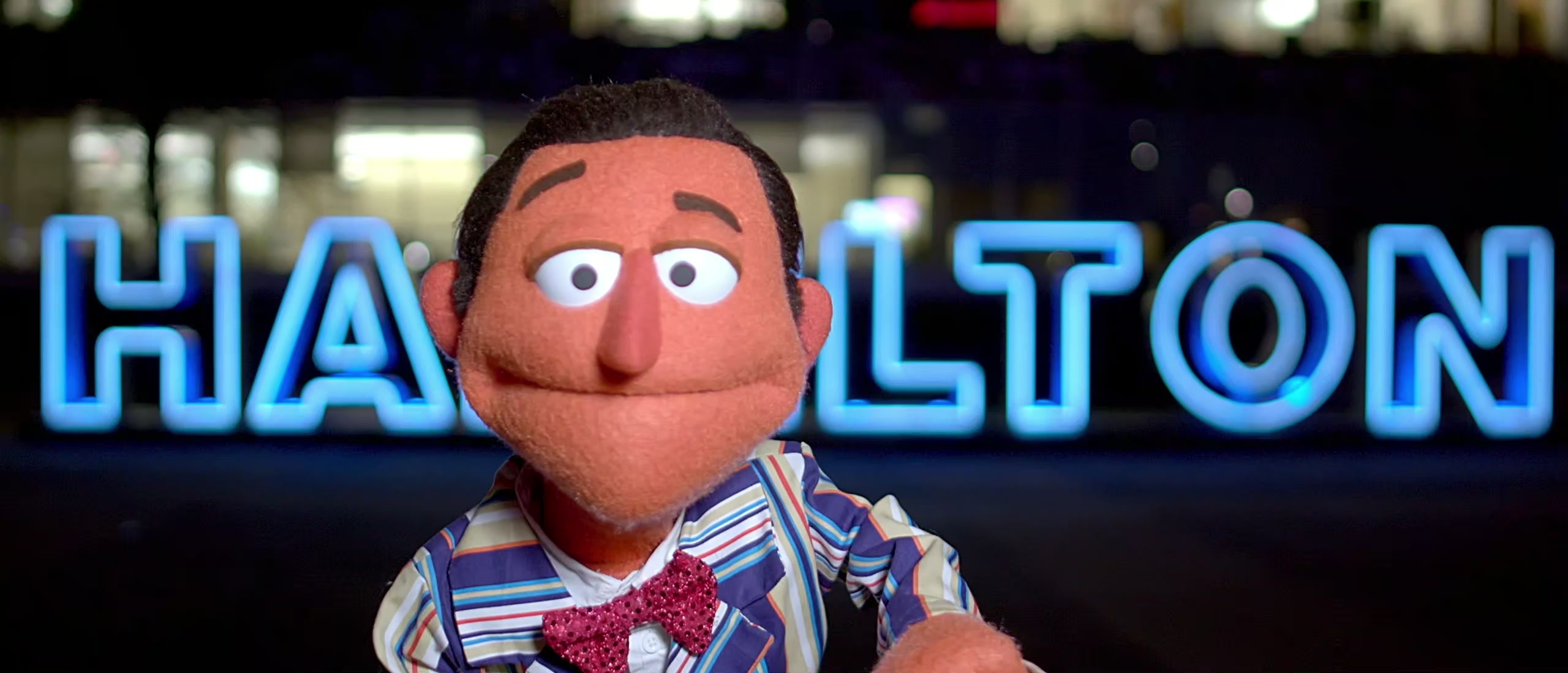
Standardized listings, structured profiles, and a video storytelling layer, Humans of the Hub, that put faces to founders, restaurants, retailers, and artists. Content as the reason to come back, not just the reason to land.
Digital
A platform built for fast onboarding, scalable discovery, and durable search performance. Two generations of build: the rapid-launch version, then a rebuilt version (still standing) designed for depth, structure, and growth.
SEO
Over time, the platform became an authority domain in Hamilton's local search landscape. Listings and event pages index well. For many local businesses, a Hometown Hub listing surfaces inside the first pages of Google results, the kind of compounding visibility you can't buy and can't fake.

The arc

Phase 1
Rapid launch
Built and launched in under thirty days. Concept, name, tagline ("Where Local Goes Digital"), and a working platform. Initial release covered roughly 250 businesses. Hamilton Rising met with BIA representatives, the business improvement areas representing local commerce, to ground the work in what businesses actually needed. A press tour across radio and media drove early awareness. An Instagram account launched alongside the platform.

Phase 2
Version two and the rebuild
The first version held up long enough to teach us what was missing. Within months it was clear each business needed a more complete profile, the discovery layer needed more depth, and the platform needed to scale beyond the initial release. We rebuilt it. The version-two platform, the one still running today, was designed for easier onboarding, richer listings, stronger discovery, and the indexing behavior that would later become the site's biggest asset.
Phase 3
Standing asset
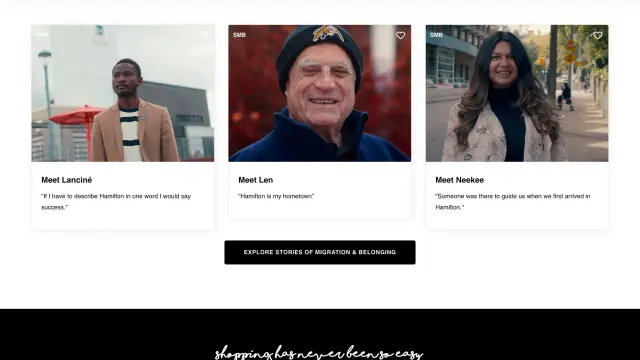
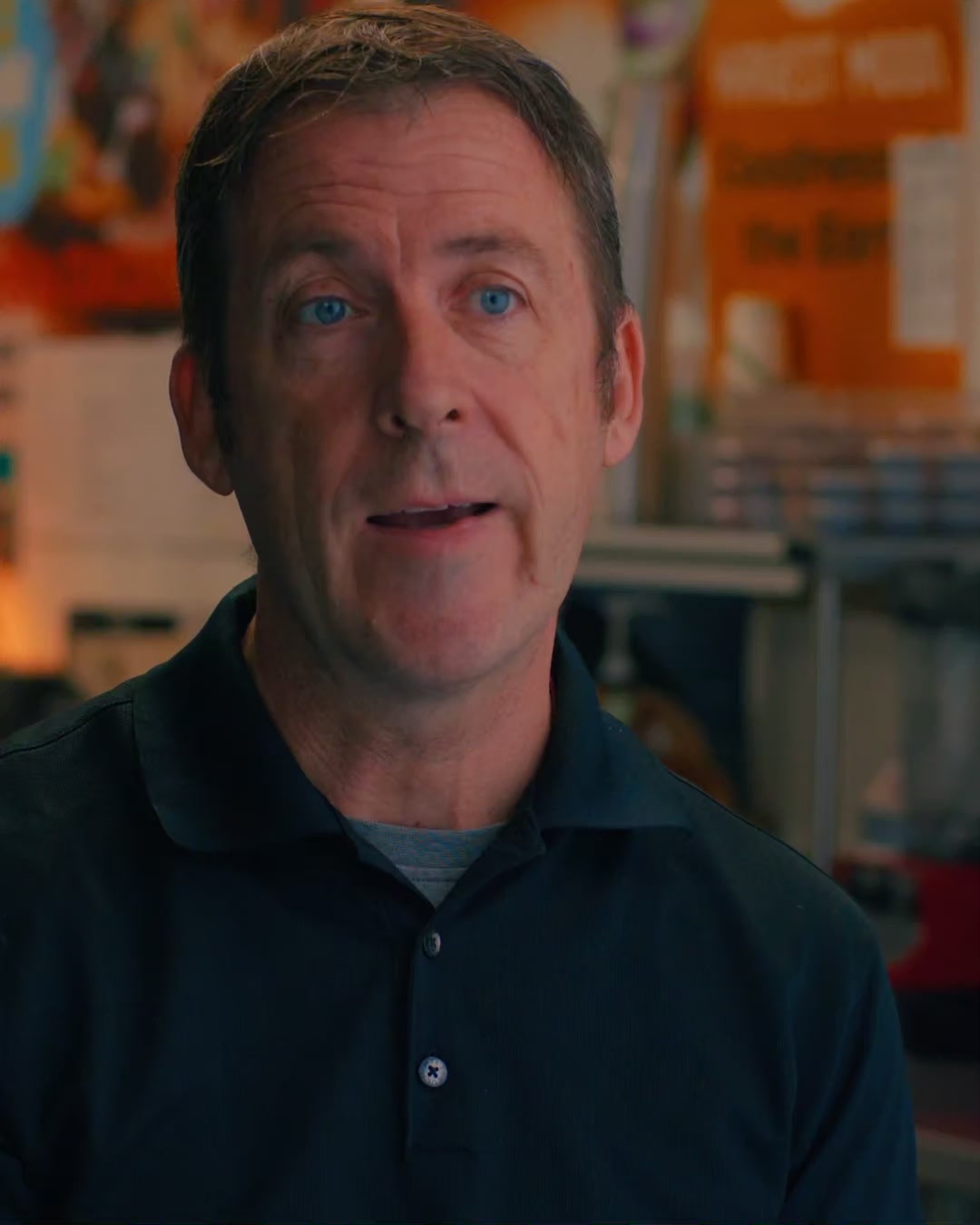
As pandemic restrictions lifted, the platform's role shifted. Listings grew past 1,000 and now cover businesses, restaurants, places, artists, and destinations. An events engine launched and became a key driver, events refresh the index constantly, which keeps the platform alive in search. The hub also became home to other people's work. Concession Street BIA's Sidewalk Sounds virtual concert series was hosted on the platform. Stories of Migration & Belonging from Hamilton Civic Museums lives there. The platform stopped being a directory and became shared digital space, a place other community projects could land and be found. Humans of the Hub launched as a video series running through it all: founder stories, restaurant features, retail profiles, community portraits. Storytelling that pulled residents back to the platform for reasons beyond the listing. The City of Hamilton's involvement wound down within the first year. Hamilton Rising has operated and evolved the platform independently since. No business has ever been charged for a listing or an event. No paywall, no barrier to entry. That decision is the reason it became infrastructure.
Selected outputs

Humans of the Hub - founder portrait series 
Founder feature - restaurant edition 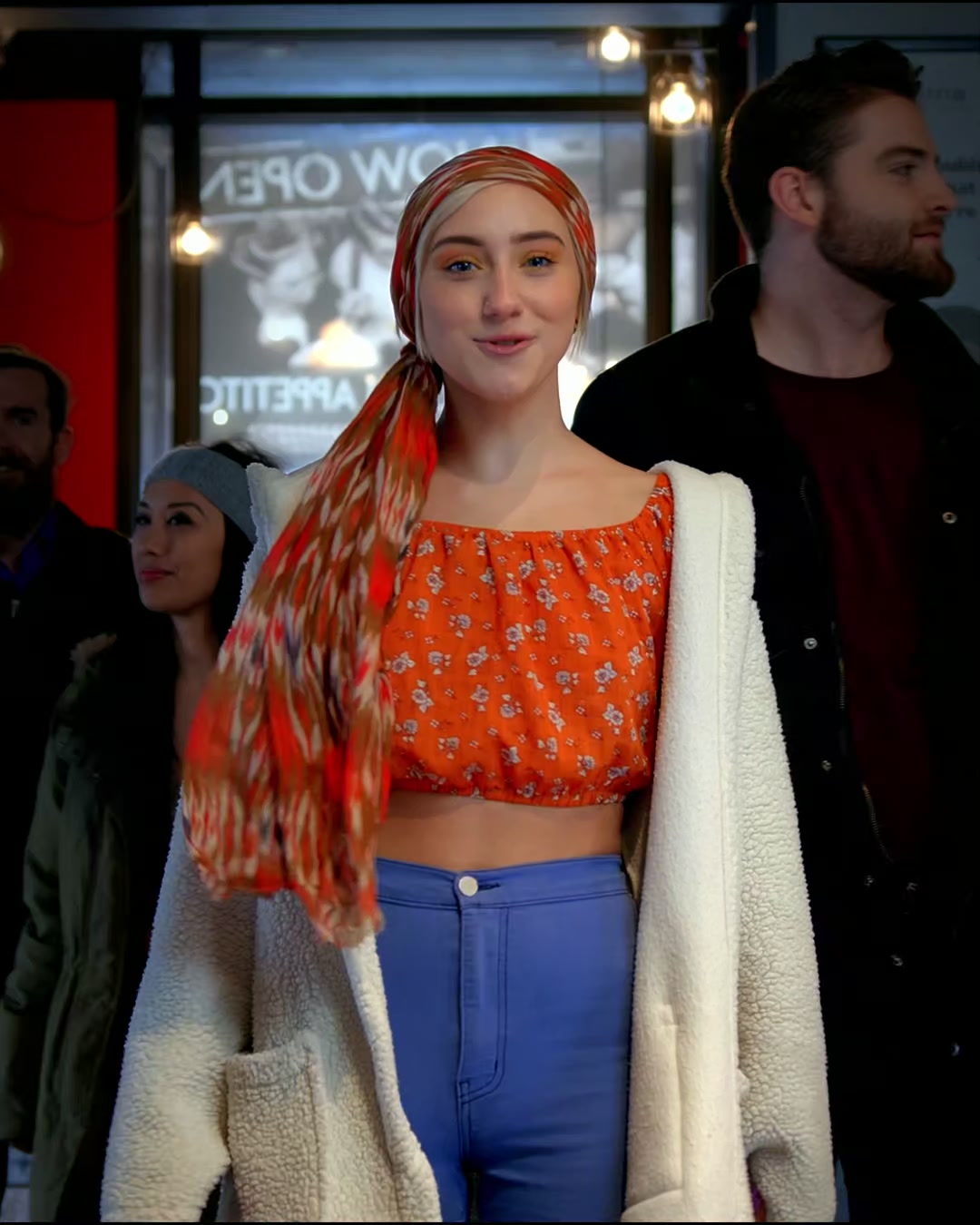
Listing template - structured profile 
Events engine - refreshing the index 
Retail feature - Humans of the Hub 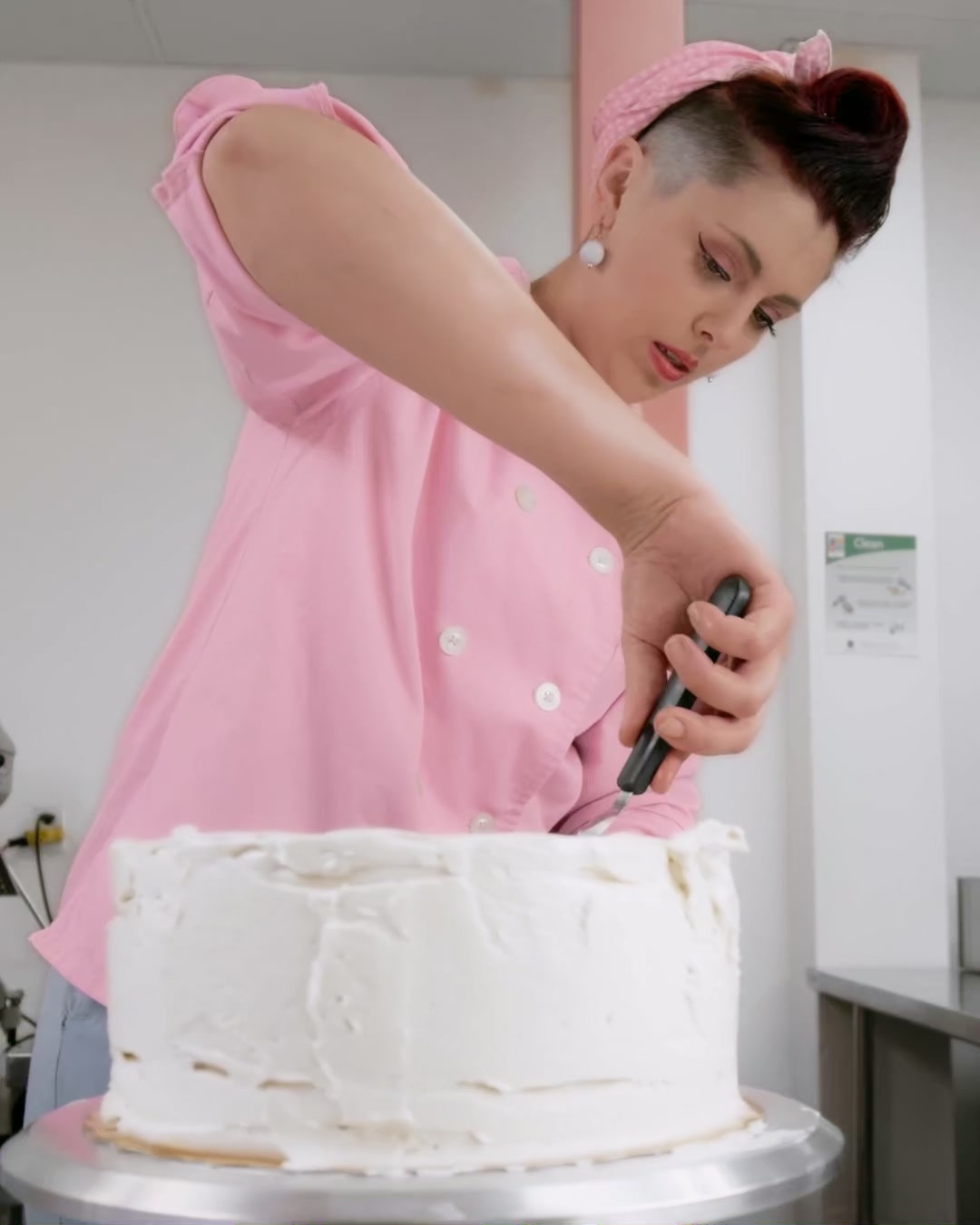
Community portrait - Humans of the Hub 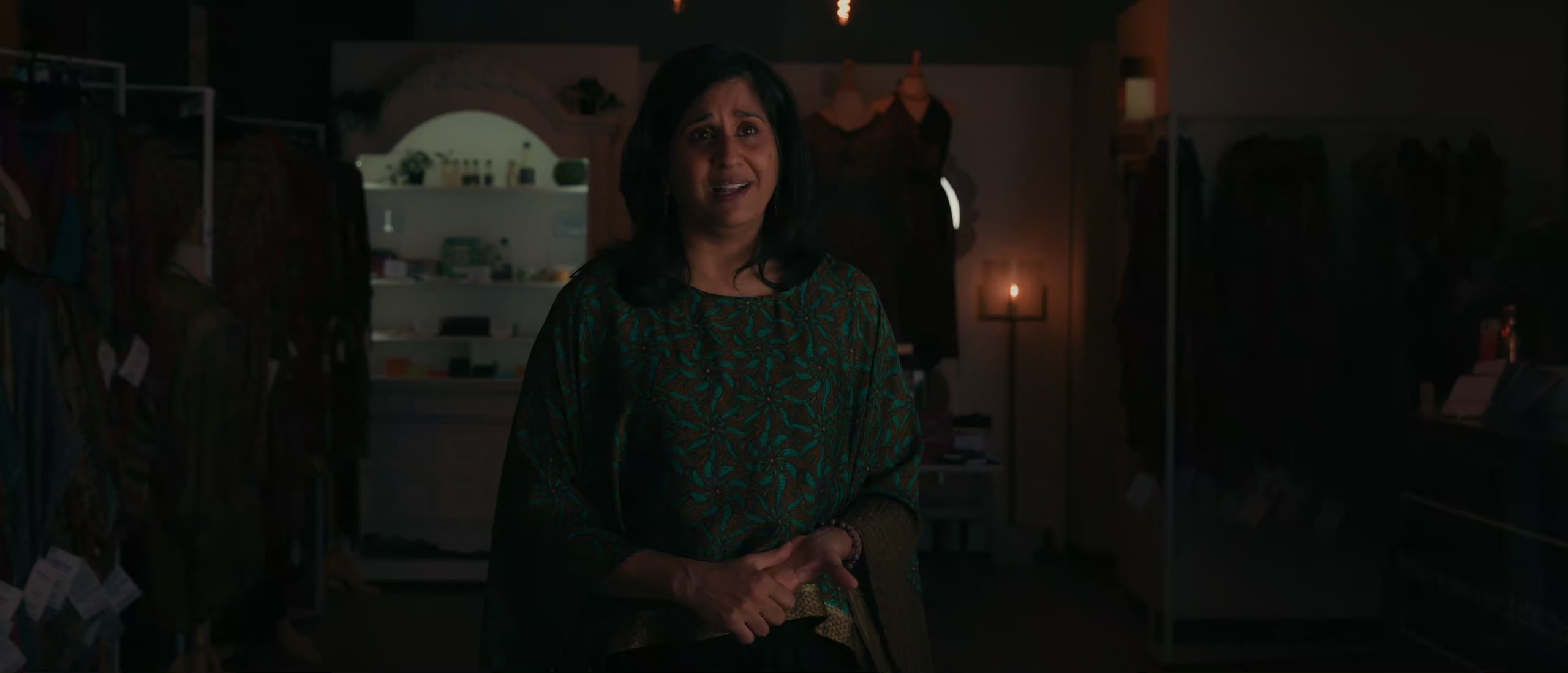
City-wide ecosystem - the platform
Output index
- The Hometown Hub platform itself, homepage, category pages, listing template, events calendar.
- Humans of the Hub video series, founder stories, restaurant features, retail and community profiles.
- Hosted partner content, Sidewalk Sounds (Concession Street BIA), Stories of Migration & Belonging (Hamilton Civic Museums).
- Events engine and ongoing event listings.
- 1,000+ structured business listings across Hamilton.
Chapter 3: What changed.
- Monthly impressions
- 500K+
- Business listings
- 1,000+
- Running
- 2020–2025
Outcomes
Internal
- A platform that runs continuously without crisis-era staffing, because the architecture and intake process were built to scale from day one.
- A demonstrated model for how a small early ask can compound into long-term digital infrastructure when the underlying system is designed correctly.
External
- 1,000+ business listings spanning restaurants, retail, artists, places, and destinations across Hamilton.
- An ongoing baseline of more than 500,000 monthly Google impressions, with strong indexing for both individual listings and event pages.
- Direct business impact: in a Humans of the Hub interview, one founder cited some of their largest orders coming from Hometown Hub traffic.
- International recognition. Hometown Hub won the Gold rank in the International Economic Development Council's Excellence in Economic Development Awards in the Special Purpose Website category, recognition Hamilton's Economic Development team made public when the award landed. Many directory-style sites launched during the same window. Most are no longer online.
Where it lives now
The platform runs at hometownhub.ca. It continues to operate independently of any single funder, with new listings and events added on an ongoing basis.
What this proves
A small ask, read correctly, becomes a system that outlasts the crisis it was built for.
More work
 Hamilton Civic Museums2019–202512 documentary films, and a digital exhibition that grew into a physical one.See the case study
 Food Fire + Knives2019–2024A booking platform, then a commercial that became the hero of their website.See the case study
 Baffin Industrial2022–2024Two photo campaigns, two commercials and three live-stream productions. Phase one earned phase two.See the case study
 Spend It Herefor the City of Hamilton, 2019A shop-local campaign across Hamilton's 13 Business Improvement Areas. Bronze, IEDC Excellence in Economic Development Awards.See the case study
Start with a call.
A Sync is a thirty-minute working call, not a sales call. Bring an initiative, a question or a napkin sketch.
Scope, RFP or napkin sketch.