1 Introduction
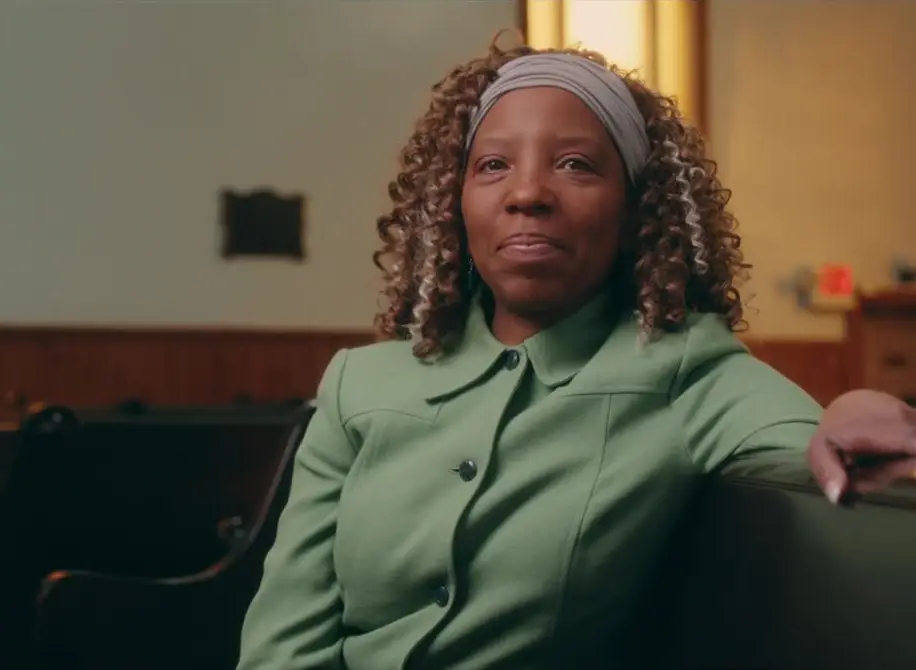
A film
2 Decision
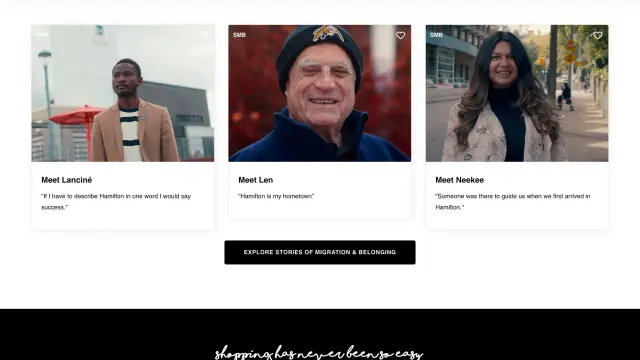
A website
3 Contact
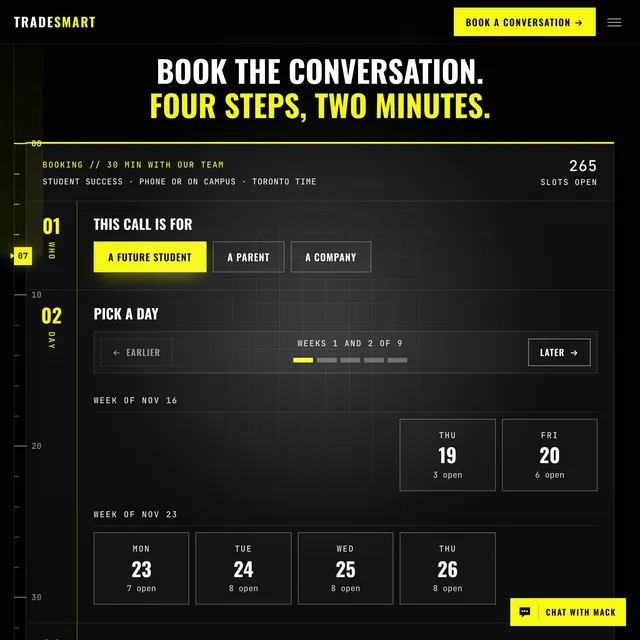
Booking
4 Delivery
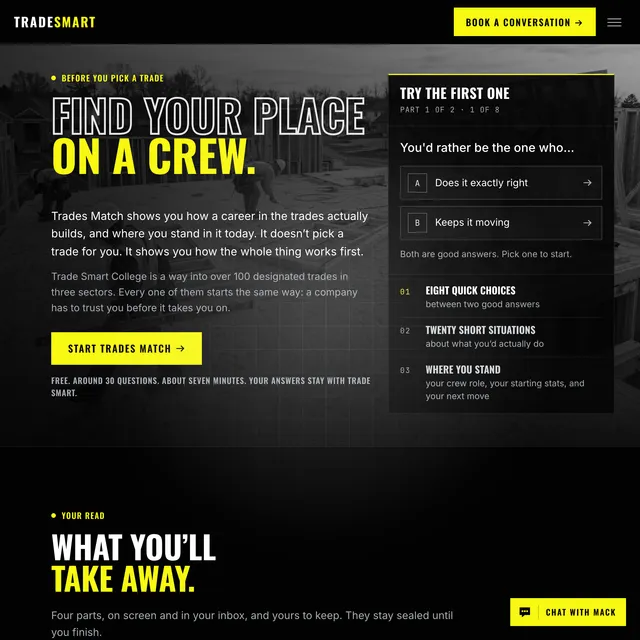
Trades Match
5 Commerce
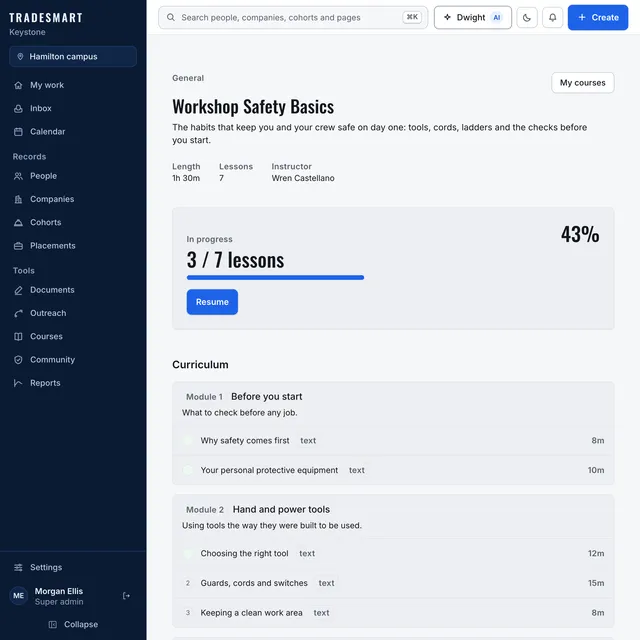
A learning portal
6 Offboarding
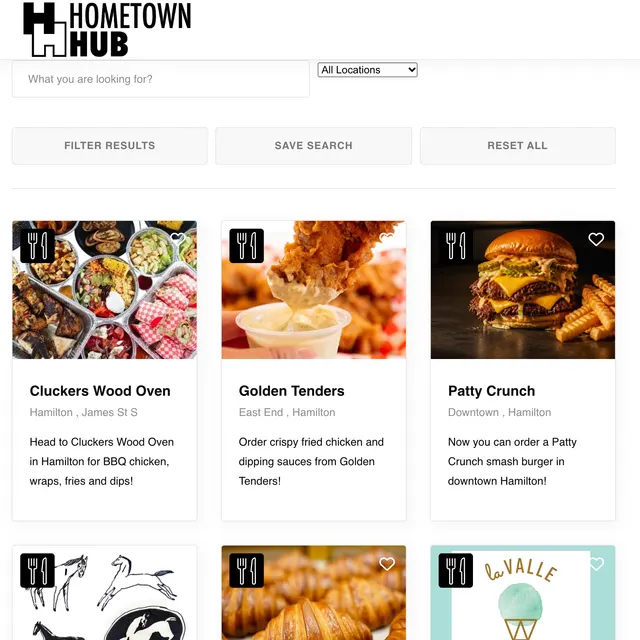
A directory
Booking, CRM and learning platforms, connected.
Most marketing stops once a customer has decided. A system carries them through the four stages after that.
The System.
What you get
- Booking and payments, a directory, a CRM, a learning platform or a client portal.
- Connected to your website, and to each other.
- The code is yours.
How long
3 to 6 months
To the first usable piece. The rest is built in phases.
What happened
1,000+ listings
A pandemic-era platform that became standing city infrastructure. Hometown Hub
Talk about The SystemGet a ballpark range
Built forHometown Hub: a listings engine past 1,000 listings, and an events engineFood Fire + Knives: their first platform: booking, payments, menus and a chef network, which they have since outgrown
The Story Series
1 Introduction
They notice you.
Customer stories, Social cutdowns, Stills
The Website
2 Decision
They decide before they call.
Websites, CMS, Search & SEO
Most marketing stops here
The System
3 Contact
They reach out.
CRM, Booking, Automation
4 Delivery
Your team delivers.
Backend systems, LMS, Learning platforms
5 Commerce
They buy, whenever they're ready.
E-commerce, Payments, Checkout
6 Offboarding
They finish, and come back.
Follow-up, Community, Membership
| Project | 1 | 2 | 3 | 4 | 5 | 6 |
|---|---|---|---|---|---|---|
| Food Fire + Knives | covered | covered | covered | covered | covered | not covered |
| Hometown Hub | covered | covered | covered | covered | not covered | not covered |
| Hamilton Civic Museums | covered | covered | not covered | covered | not covered | not covered |
| Baffin Industrial | covered | covered | not covered | not covered | not covered | not covered |
Trade Smart College is the studio's flagship example of a custom LMS + CRM built as a unified ecosystem. Its case study is not published yet.
What gets built.
Software your customers use after they decide, and the tools your team runs it from. Every part below is one Hamilton Rising has built.


Booking with live availability
Four steps and about two minutes, against the team's live calendar.
Built for Trade Smart College
An assessment
Trades Match: about 30 questions and seven minutes that show a future student where they stand.
Built for Trade Smart College
A CRM and a learning platform
One record per person, from first inquiry to alumni, and the courses students take, in the same portal as the site.
Built for Trade Smart College
A directory
Listings with structured profiles and category search, built to rank in local search. Past 1,000 listings.
Built for Hometown Hub
An events engine
Event pages that keep the listings fresh and give people a reason to come back.
Built for Hometown Hub
Booking and payments
Customers book and pay, menus change without breaking anything, and a chef network across cities runs behind it.
Built for Food Fire + Knives, their first platform, since outgrown
A client portal
One place a project lives: where it stands, the latest update, the team and the deliverables.
Built for Hamilton Rising's own Studio
Digital ecosystem design.
When the website, the platform, the CRM, the LMS, the content, and the operations need to behave as one system, not a portfolio of disconnected tools.
Most digital footprints get assembled. Hamilton Rising designs them.
Most digital footprints get assembled, not designed. A website from one vendor. A CRM from another. An email tool. A content platform. A scheduling system. Each one built for someone else's average user, each one bridged with manual workarounds. The investment is real; the customer experience is fractured.
A digital ecosystem is the opposite. Content, platforms, customer journeys, and operations are designed as one connected system from the start, or migrated into one over time. The website holds together because it was built to. The CRM behaves like a working tool because the customer journey was mapped before the schema. Internal operations match what was promised online because they were designed together.
Hamilton Rising designs digital ecosystems for organizations that have outgrown the disconnected-SaaS approach and are ready to own how their digital actually works.
Customer journey first. Architecture follows. Multi-year partnership, not a stack of disconnected projects.
Ecosystem design starts with the customer journey, not the technology choice. Where does the visitor enter? What does each touchpoint promise? How does that promise show up in the platform, in the content, in the internal handover? The architecture follows from the answers.
The work runs across three integrated disciplines: creative content (the substance of the system), digital experiences (the platforms that hold it), and integration (the connective tissue that ties it to operations). Most ecosystem engagements involve all three, delivered as a multi-year partnership rather than a series of disconnected projects.
Edge-deployed on GitHub repos, Cloudflare Workers, and Vercel. Custom CMS, custom CRM, and custom LMS where the project warrants. The system ships as code the client owns end to end.
In the work
 Food Fire + Knives2019–2024Multi-year arc from early platform foundation to a national commercial now anchoring the brand's website as its hero asset.See the case study
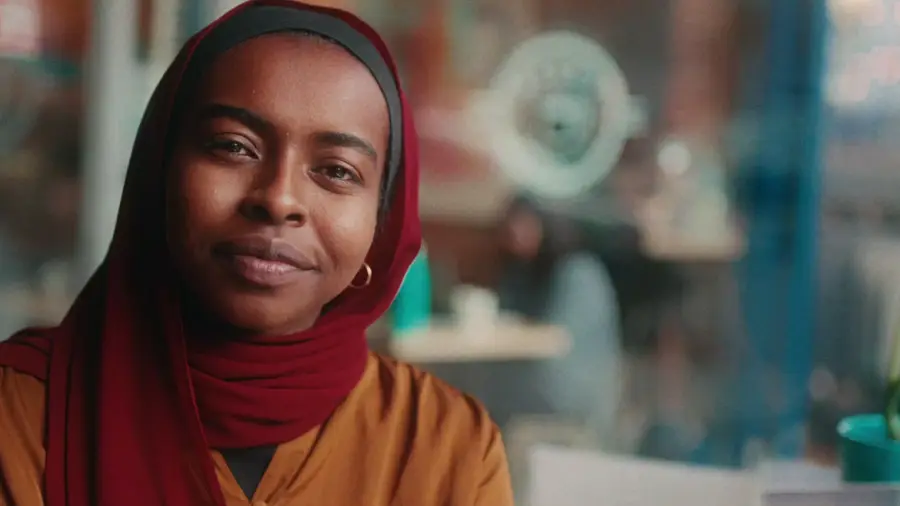 Hamilton Civic Museums2019–2025Four-year content system: documentary series, digital exhibition, web architecture, and an organization-wide digital strategy.See the case study
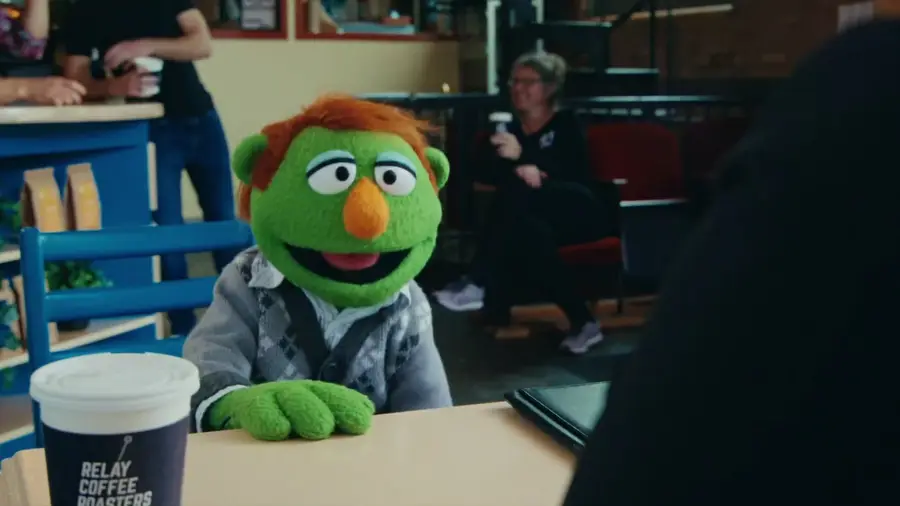 Hometown Hubbuilt for the City of Hamilton, 2020–2025A pandemic-era platform that became standing city infrastructure: 1,000+ listings, an events engine, and 500K+ monthly impressions.See the case study
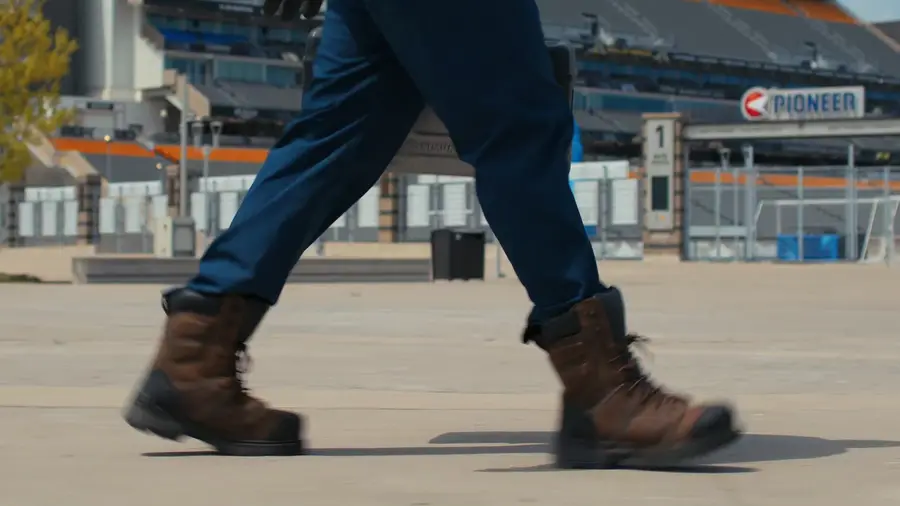 Baffin Industrial2022–2024Two campaign phases of brand-standard photo and video for an industrial product line, plus three live productions for internal sales.See the case study
Common questions
What exactly is a "digital ecosystem"?
A coherent system where website, platforms, CRM, LMS, content, customer journeys, and operations are designed together rather than assembled from disconnected SaaS subscriptions. The opposite of buying 15 tools and bridging them with manual work.
A digital ecosystem is a coherent system where content, platforms, customer journeys, and operations are designed together rather than assembled from disconnected SaaS subscriptions. Most companies treat their website, CRM, content tool, email platform, and internal operations as separate buys. Hamilton Rising designs them as one connected system, with the work of integration as the discipline that makes them behave like an ecosystem instead of a portfolio.
How is this different from a website rebuild?
A website rebuild replaces one piece. Ecosystem design rethinks how all the pieces work as a system. The website is one component; the work usually includes the platform, the CRM, the content, the editorial tooling, and the operations integration that ties them to internal teams.
Do you replace our existing tools or work with them?
Both, depending on the engagement. Some clients migrate from SaaS subscriptions to owned platforms (Hamilton Rising builds the replacement). Others keep their existing tools and the work is the integration that makes them behave like one system. The customer journey dictates the architecture, not vice versa.
Do you build custom CRMs and LMSes?
Yes. Both are core to the ecosystem work. A custom CRM is appropriate when the client's customer journey does not match what HubSpot or Salesforce was designed for; a custom LMS is appropriate when the learning experience is the product, not an accessory to it. Trade Smart College is the studio's flagship example of a custom LMS + CRM built as a unified ecosystem.
How long does an ecosystem engagement take?
Multi-year. The typical pattern: a foundational build in year one (platform, CRM, content system), then ongoing iteration as the ecosystem matures and integrates more deeply with internal operations. Most engagements grow from a single deliverable (a video, a platform rebuild) into the full ecosystem scope.
Where are you based and what regions do you serve?
Hamilton, Ontario, since 2018. The practice works across the Golden Horseshoe (Hamilton, Burlington, Oakville, Mississauga, Brampton, Toronto, Vaughan, Markham), the Niagara region (St. Catharines, Niagara Falls), and nationally for select clients. Engagements happen on-site, remote, and hybrid depending on what the work requires.
Further reading
- Digital is not a websiteWhen you commission a website, you get an artifact. The actual digital footprint, the chain that runs from search to customer outcome, is invisible. That chain is the system worth designing.Read it
- The end-user principleMost digital projects start with what the brand wants. The principle Hamilton Rising runs on is the opposite: design for the visitor, the brand outcome follows. This is not a moral argument. It is an empirical one.Read it
- What changes when content, platform, and operations are designed togetherMost digital work is delivered in isolated layers. Content from one vendor, the platform from another, internal operations from a third. The cracks show within a year. What changes when the three are designed as one system.Read it
Three disciplines. One studio.
Organized by discipline here; hired for the outcome they produce together.
Most engagements move between these three categories. Some clients come in for video and stay for platform work. Others come in for a platform rebuild and stay for the story that sells it. A few need all three from the start.
- FilmsThe Story Series
- WebsitesThe Website
- SystemsThe SystemThis page
How engagements usually start.
You can enter anywhere in this list. Most of our long-term client relationships started with one deliverable and grew from there. A documentary film became a four-year digital strategy engagement. A platform foundation became a national commercial. A single brand video became a full ecosystem.
The work expands because the thinking is consistent across all three disciplines, and because we stay at the table.
Thirty minutes, a working session, not a sales call.
Scope, RFP, or napkin sketch. Answered within 24 hours.