
Marketing sites, and sites your team runs.
Built from the ground up for the moment your customer decides. The code is yours.
The Website.
What you get
- A marketing site, or a site your team edits with its own CMS.
- Built from the ground up in TypeScript, React and Next.js.
- The code ships to your GitHub.
How long
8 to 16 weeks
For a site with a custom CMS.
What happened
IEDC Gold
Special Purpose Website category, Excellence in Economic Development Awards. Hometown Hub
Talk about The WebsiteGet a ballpark range
Built forHometown Hub: hometownhub.ca, launched in under thirty days after a request from the City of HamiltonHamilton Civic Museums: location pages and a digital exhibition
How we build
Custom from the ground up. Whatever the project warrants, we build to suit, not to fit.
Front-end design, then engineered code. GitHub-versioned. Edge-deployed via Cloudflare or Vercel. Custom CMS where the project warrants it. The result is a site that performs the way modern sites are supposed to perform, and an asset the client owns end to end, not a configuration locked inside someone else's platform.
The same workflow we use for our own studio is the workflow we deliver to clients. This site is an example.
Digital Experiences
Platforms and applications built so the content has somewhere meaningful to live.
The site is the platform, not just a marketing channel. Custom platform builds, ground-up. Custom CMS where the project earns one. Headless architecture, design systems, platform ecosystem builds for organizations whose digital footprint outgrew an off-the-shelf solution. The work runs on edge-deployed infrastructure (GitHub repos, Cloudflare Workers, Vercel) and ships as code the client owns, not as configuration locked inside someone else's platform.
A working inventory. Every item below is something we've produced, shipped, and stand behind.
- Custom web design and build, ground-up
- Front-end engineering and component systems
- Platform architecture and ecosystem builds
- Design systems and working prototypes
- Custom CMS and editorial tooling
- Headless and content-driven architectures
- E-commerce systems
- UX and interaction design
- Performance, accessibility, and Core Web Vitals
- SEO-driven content systems
- Events, listings, and directory engines
- Edge-deployed hosting workflows (GitHub repos, Cloudflare Workers, Vercel)
- Ongoing platform operation and evolution
Custom platforms, built to fit.
Bespoke websites, custom CMS, custom CRM, custom LMS, and the design systems that hold them together. Edge-deployed, ground-up, owned end to end.
Custom is the right answer when the work is the differentiator.
Hamilton Rising builds custom. Ground-up applications designed around what the project actually needs, not configured around what an off-the-shelf tool happens to offer.
Custom platform builds mean: the architecture is yours, the design system is yours, the data model is yours, the code is yours. No vendor lock-in. No configuration debt. No "the platform doesn't support that" conversations. The work ships as code in your GitHub, deploys to your edge infrastructure (Cloudflare Workers, Vercel), and evolves at the pace of your business instead of at the pace of someone else's roadmap.
Custom is the right answer when the project warrants it. Hamilton Rising tells clients when an off-the-shelf tool is the better fit, too. Custom is for when the work is the differentiator.
Front-end design first. Then engineered code. Edge-deployed. The marketing site you are reading is itself an example.
Front-end design first, then engineered code. Design systems and working prototypes before commitments to component libraries. TypeScript, React, Next.js for most marketing-grade builds. Custom CMS where the editorial workflow earns one. Headless architecture so the front end can evolve independently of the data layer.
The work runs on edge-deployed infrastructure: GitHub repos for version control, Cloudflare Workers and Vercel for edge deployment, custom backend services where the project requires. Performance and accessibility built in from the start, not bolted on at the end.
The marketing site you are reading is itself a custom platform: Next.js static export, Cloudflare Workers Static Assets, custom design system, custom case-study data model, custom client portal (Studio). The same workflow Hamilton Rising uses to build for the practice is the workflow delivered to clients.
In the work
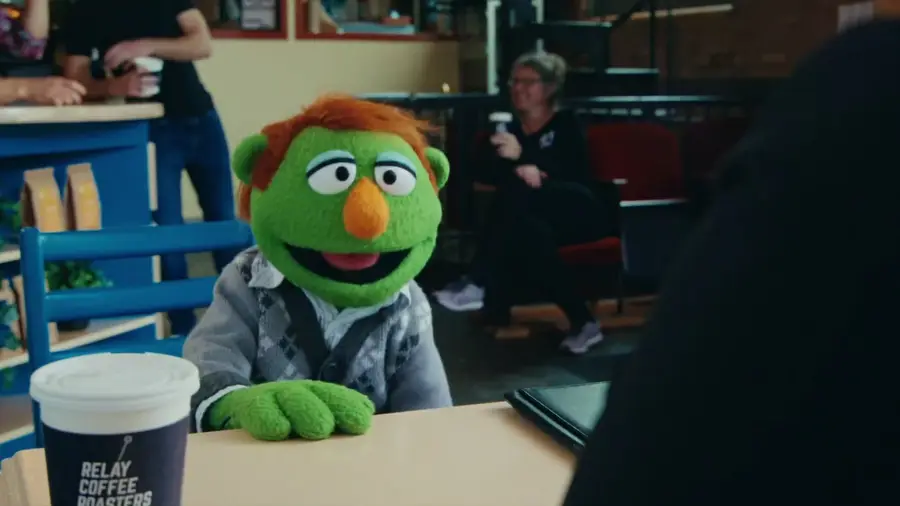 Hometown Hubbuilt for the City of Hamilton, 2020–2025A pandemic-era platform that became standing city infrastructure: 1,000+ listings, an events engine, and 500K+ monthly impressions.See the case study
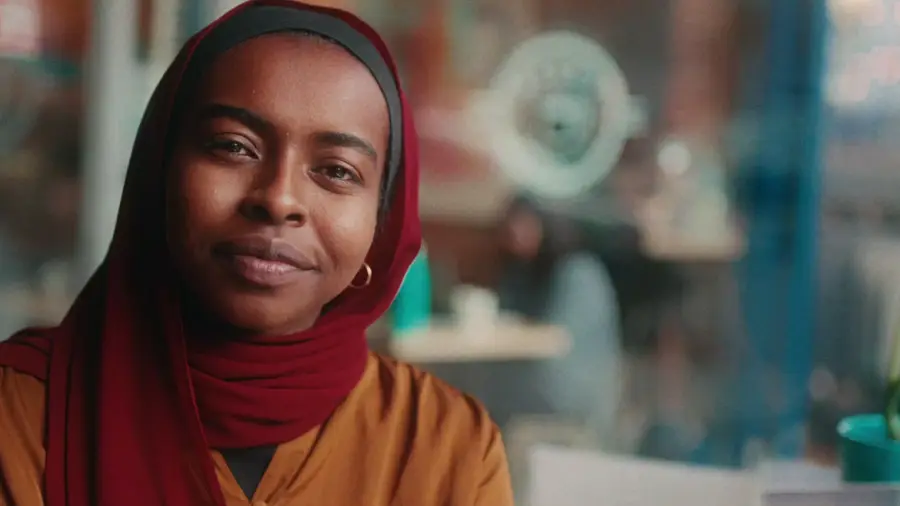 Hamilton Civic Museums2019–2025Four-year content system: documentary series, digital exhibition, web architecture, and an organization-wide digital strategy.See the case study
 Food Fire + Knives2019–2024Multi-year arc from early platform foundation to a national commercial now anchoring the brand's website as its hero asset.See the case study
Common questions
Why custom instead of WordPress, Webflow, or Shopify?
Custom is the right answer when the project's work is the differentiator. Off-the-shelf platforms are excellent at common cases (a marketing site, a basic store, a basic blog). They become liabilities when the project needs to do something they were not designed for. Hamilton Rising builds custom when the cost of configuration debt exceeds the cost of building from the ground up.
What tech stack do you use?
TypeScript, React, Next.js for most marketing-grade builds. Custom CMS where editorial workflow warrants. Cloudflare Workers and Vercel for edge deployment. GitHub for version control. The stack varies project to project; what stays constant is that the code is the client's and the architecture is auditable end to end.
Do you build custom platforms or just websites?
Both, ground-up. Custom platforms (CMS, CRM, LMS), bespoke web applications, design systems, and editorial tooling. Edge-deployed on GitHub, Cloudflare Workers, and Vercel. The work ships as code the client owns, not as configuration locked inside someone else's platform. The marketing site you are reading is itself an example of the work.
Do we own the code?
Yes. Ground-up, code ships into the client's GitHub organization. No vendor lock-in. No license fees beyond standard infrastructure (Cloudflare, Vercel, etc.). The practice's posture: the client should be able to take the code and run it without Hamilton Rising, if that day ever comes.
How long does a custom platform build take?
Depends on scope. A marketing-grade platform with custom CMS typically ships in 8 to 16 weeks. A full ecosystem (site + CRM + LMS + ops integration) is multi-year, often phased so the first usable piece ships within 3 to 6 months.
Does Hamilton Rising do both video and web?
Yes. The studio is built around three integrated disciplines: creative content (brand documentary, commercial video, founder story films), digital experiences (custom platform builds, design systems, headless architecture), and the integration work that ties them to operations. Most engagements involve at least two of the three, and a meaningful share involve all three.
Further reading
- Content as infrastructure, not content as deliverableMost content gets commissioned, delivered, deployed, and disappears. Content as infrastructure is the other pattern: the same asset doing work across years instead of weeks.Read it
- When to build vs when to buyMost digital decisions get answered with "buy" because the market makes it easy. The cumulative effect is the SaaS subscription trap: fifteen tools, none fit, the integration tax exceeds the cost of the tools.Read it
- Why we built Studio, and what it taught us about content systemsHamilton Rising built its own client portal instead of assembling seven SaaS tools. The decision was specifically because the shape of the work did not fit any of them, and the lessons shape every system we build.Read it
Three disciplines. One studio.
Organized by discipline here; hired for the outcome they produce together.
Most engagements move between these three categories. Some clients come in for video and stay for platform work. Others come in for a platform rebuild and stay for the story that sells it. A few need all three from the start.
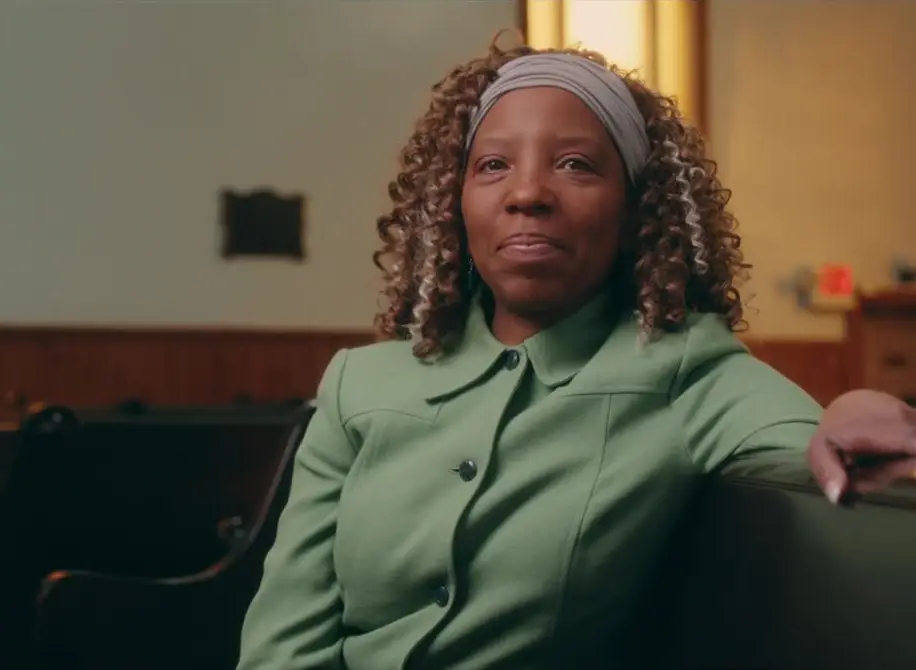 FilmsThe Story Series
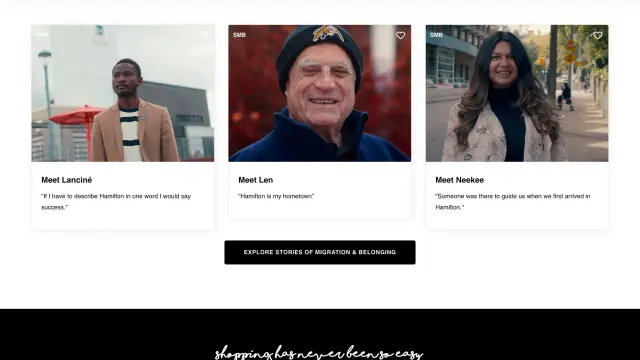 WebsitesThe WebsiteThis page
 SystemsThe System
How engagements usually start.
You can enter anywhere in this list. Most of our long-term client relationships started with one deliverable and grew from there. A documentary film became a four-year digital strategy engagement. A platform foundation became a national commercial. A single brand video became a full ecosystem.
The work expands because the thinking is consistent across all three disciplines, and because we stay at the table.
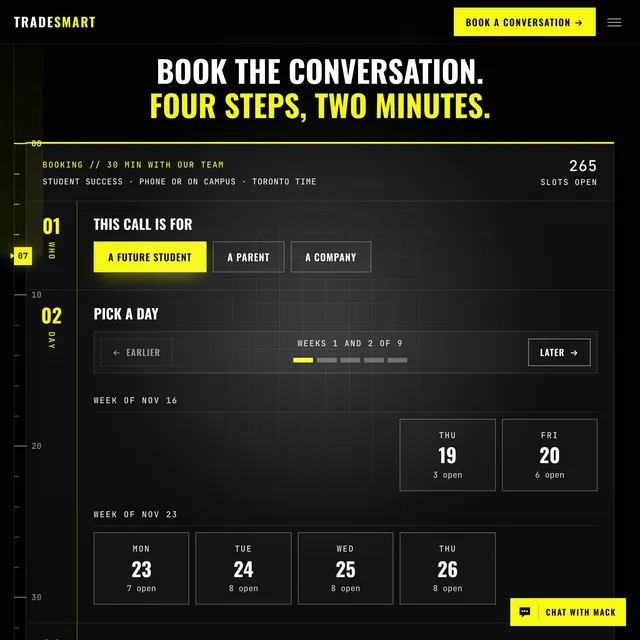
Thirty minutes, a working session, not a sales call.
Scope, RFP, or napkin sketch. Answered within 24 hours.